Billy wallson
Senior DirectorBefore the last frost has loosened its grip, snowdrops push through frozen ground and remind us that softness and strength are not opposites.
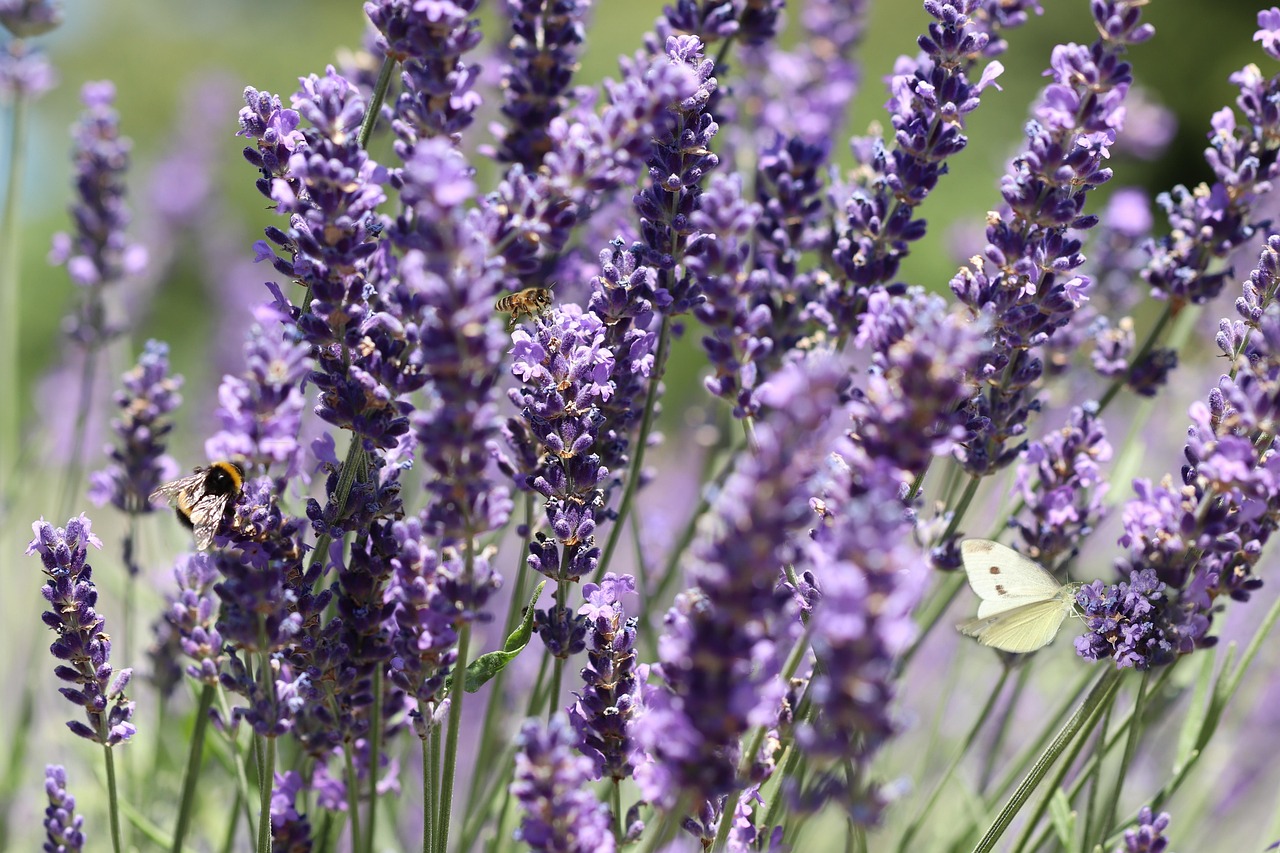
I once watched a single bumblebee work its way along a row of lavender for the better part of an hour. It was early July, the air was thick and warm, and the bee moved from flower to flower with a kind of unhurried purpose that I found oddly moving. I had planted that lavender three years earlier, mostly because I liked the smell. I had not thought about the bee at all. And yet here it was, feeding steadily, as if I had done it a great favour.
This is how most of us come to pollinator gardening, I think. Not through grand plans, but through a happy accident. A plant we loved for one reason turns out to be useful for another. Once you notice that, it is hard not to start planting with the bees in mind.
Bees and other pollinators need three simple things: food, water, and shelter. Food means flowers, but not just any flowers. Many highly bred ornamental varieties have been selected for double petals or unusual colours at the expense of the nectar and pollen that pollinators rely on. A rose with forty petals may be beautiful, but a bee cannot easily reach its centre.
Single, open flowers are almost always better. Think of daisies, cosmos, calendula, borage, and single dahlias. Herbs are excellent too: thyme, oregano, rosemary, and chives all produce small, nectar-rich flowers that bees adore. If you have space for only a few pots on a balcony, you can still make a difference. A pot of rosemary and a pot of thyme will feed bees from spring well into summer.
Variety matters as much as quantity. Different bees have different tongue lengths, and different flowers bloom at different times. A garden that offers something in flower from early spring to late autumn is far more valuable than one that produces a single glorious burst in June and then nothing.
Water is easy to overlook. A shallow dish with a few stones in it, refreshed every couple of days, gives bees and other insects a safe place to drink. They cannot land on open water, so the stones matter.
If you want to feed pollinators across the year, think in waves. In late winter, snowdrops, hellebores, and crocus offer some of the first food of the year. In spring, fruit blossoms, forget-me-nots, and wallflowers take over. Early summer brings lavender, foxgloves, and alliums. High summer is the time for cosmos, echinacea, and borage. And in autumn, asters, sedums, and ivy flowers provide a crucial last meal before winter.
Ivy is worth a special mention. It is often dismissed as a nuisance, but a mature ivy in flower is one of the best late-season nectar sources you can offer, and its berries feed birds through the winter. If you have an ivy-covered wall, consider leaving it be.
You do not need a large garden to do this well. You need only a little attention and a willingness to let things be a bit untidy. Leave the seed heads standing through winter. Let the dandelions flower in spring. The bees will find you, and once they do, you will wonder how you ever gardened without them.

How to keep a little green alive through the coldest months of the year.

How to keep a little green alive through the coldest months of the year.
Before the last frost has loosened its grip, snowdrops push through frozen ground and remind us that softness and strength are not opposites.

You do not need a meadow to help the bees; a few well-chosen flowers in pots or borders can make a real difference through the seasons.

Before the last frost has loosened its grip, snowdrops push through frozen ground and remind us that softness and strength are not opposites.

Tulips ask for very little in return for their brief, brilliant display, but they do ask you to accept that some beauty cannot be kept.

Copyright © 2026 Snowdrop Says. All Rights Reserved.


Roseanne Williams
Sep 27, 2026 ReplyYou do not need a meadow to help the bees; a few well-chosen flowers in pots or borders can make a real difference through the seasons.