Billy wallson
Senior DirectorA balcony, a windowsill, or a single step can become a garden if you choose the right plants and give them a little steady attention.
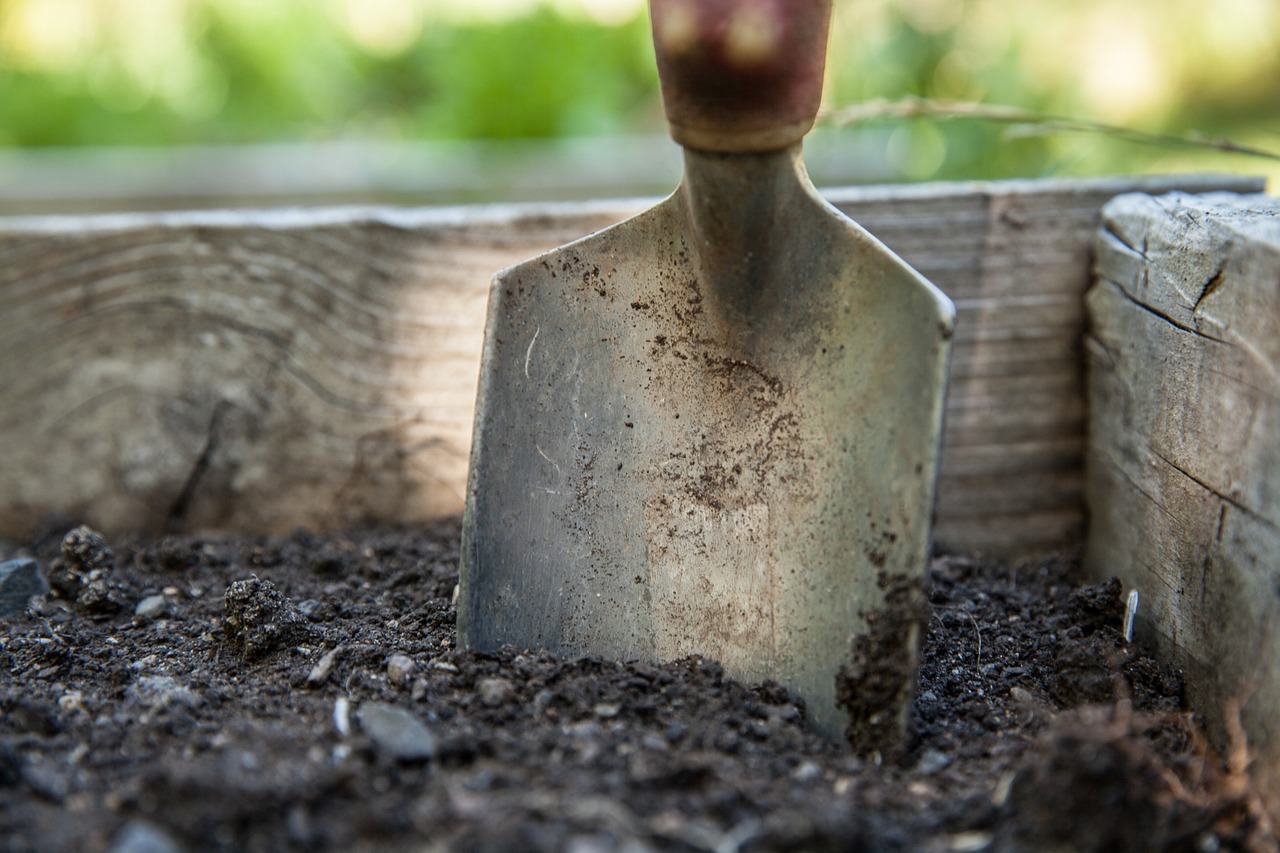
Starting a garden can feel overwhelming when you scroll through perfectly curated images of lush borders and overflowing raised beds. But here is the truth: every gardener you admire started with a single seed, a patch of uncertain soil, and more questions than answers. The gentle art of gardening is not about getting it right the first time — it is about showing up, paying attention, and learning alongside your plants.
Before you buy a single seed packet, take a moment to observe your space. Where does the sun fall in the morning? Where does it linger in the afternoon? Most flowering plants and vegetables want at least six hours of direct light, but plenty of woodland wildflowers and leafy greens are perfectly happy in dappled shade. Knowing your light conditions saves you from the heartbreak of watching sun-loving plants stretch and fade in a shady corner.
Start small. A single raised bed or a collection of pots on a sunny patio is more than enough for your first season. Choose plants that match your conditions and your temperament. If you are impatient, quick-growing annuals like nasturtiums, calendula, and cosmos will reward you within weeks. If you enjoy the long game, consider planting a small shrub or a rose that will grow more beautiful with each passing year.
Do not overlook native plants. They evolved alongside your local pollinators and weather patterns, which means they often need less watering, less feeding, and less fussing. A patch of wild columbine, bee balm, or black-eyed Susan will settle in happily and bring life to your garden without demanding constant attention.
Good soil is the quiet foundation of every garden. You do not need to be a soil scientist, but you do need to know whether yours is sandy, clay-heavy, or somewhere in between. Adding compost — homemade or bagged — improves almost any soil. It feeds the invisible life beneath your feet, from earthworms to microscopic fungi, and that life in turn feeds your plants.
Watering is where many new gardeners go wrong, usually by overdoing it. Most plants prefer a deep soak once or twice a week rather than a daily sprinkle. Push your finger into the soil up to the second knuckle. If it feels dry, water. If it feels cool and damp, wait. This simple habit will teach you more about your garden than any book.
Finally, be kind to yourself. Some plants will thrive. Others will sulk, wilt, or vanish entirely. A slug will eat your seedlings. A late frost will nip your tender annuals. None of this means you have failed. It means you are gardening — participating in a living, changing, gloriously imperfect process. The garden does not judge. It simply grows, and invites you to grow along with it.

The quiet therapeutic power of tending plants with your own two hands.

Rather than fighting the calendar, let the seasons set the pace; here is a loose, forgiving guide to what to do when.
How to keep a little green alive through the coldest months of the year.

Before the last frost has loosened its grip, snowdrops push through frozen ground and remind us that softness and strength are not opposites.

A balcony, a windowsill, or a single step can become a garden if you choose the right plants and give them a little steady attention.

A quiet exploration of the meanings and memories we plant alongside our flowers.

Copyright © 2026 Snowdrop Says. All Rights Reserved.


Roseanne Williams
Aug 30, 2026 ReplyEverything you need to know to begin your gardening journey with confidence and calm.